How to Detect a Forged Will and Navigate the Challenges in Court

When a will surfaces that seems suspicious, it can cause serious disruption among family members and beneficiaries. Detecting a forged will is crucial to protect the rightful intentions of the deceased and ensure justice. Challenging a forged will in court requires careful preparation, clear evidence, and understanding the legal process. This guide explains how to spot signs of forgery and what steps to take if you believe a will is not genuine.

Signs That a Will May Be Forged
Recognizing a forged will early can save time and emotional strain. Here are some common indicators:
Unusual Changes in the Will
Sudden, drastic changes that benefit one person disproportionately, especially if the changes happen late in the deceased’s life, can raise red flags.
Questionable Signatures
If the signature looks shaky, inconsistent with previous documents, or appears to be traced, it may be forged.
Lack of Proper Witnesses
Most jurisdictions require witnesses to sign the will. If the will lacks valid witness signatures or the witnesses cannot be found, this is suspicious.
Poor Quality or Different Paper
A will written on paper that doesn’t match previous documents or looks newer may indicate tampering.
Handwriting Differences
If handwriting in the will varies significantly, it could mean parts were added or altered by someone else.
Absence of the Testator’s Personal Items
Sometimes, a genuine will is stored with personal items or in a safe place. A will found in an unusual location might be suspect.
Gathering Evidence to Support Your Claim
To challenge a forged will, you need solid evidence. Here are practical steps to collect proof:
Obtain Previous Wills and Documents
Compare handwriting, signatures, and style with earlier wills or legal documents signed by the deceased.
Hire a Handwriting Expert
Experts can analyze signatures and handwriting to confirm authenticity or detect forgery.
Interview Witnesses
Talk to people who were present when the will was signed or who knew the deceased’s intentions.
Check Medical Records
If the deceased was mentally incapacitated or under duress when signing, medical records can support claims of invalidity.
Look for Digital Evidence
Emails, messages, or recordings may reveal intentions or suspicious behavior around the time the will was created.
Understanding the Legal Process to Challenge a Will
Challenging a will involves filing a legal claim, often called a will contest. Here’s what to expect:
Filing a Petition
You must file a petition in probate court within a specific time frame, which varies by jurisdiction.
Burden of Proof
The person challenging the will must prove forgery or invalidity by clear and convincing evidence.
Court Hearings
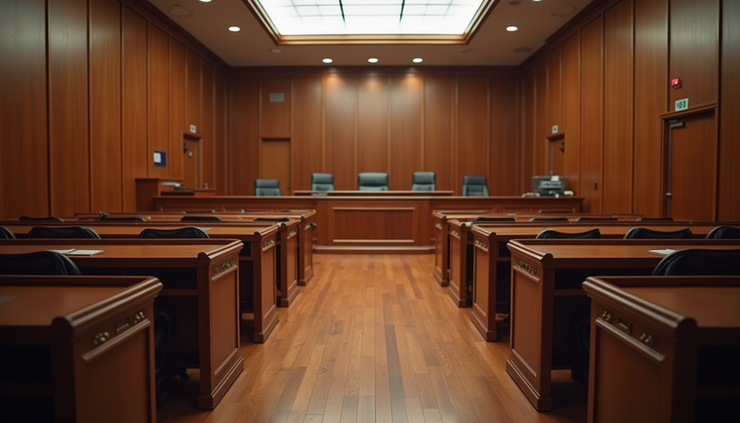
The court will review evidence, hear witness testimonies, and may order expert evaluations.
Possible Outcomes
If the court finds the will forged, it may declare it invalid. The estate will then be distributed according to a previous valid will or intestacy laws.
Legal Representation
Hiring an experienced probate attorney increases your chances of success and helps navigate complex procedures.
Practical Tips for Handling a Will Dispute
Disputes over wills can become emotional and complicated. Use these tips to manage the process effectively:
Act Quickly
Deadlines for contesting a will are strict. Start gathering evidence and consult a lawyer as soon as you suspect forgery.
Keep Detailed Records
Document all communications, findings, and steps taken. This helps build a strong case.
Stay Professional
Avoid personal attacks or emotional confrontations with other family members. Focus on facts and legal arguments.
Consider Mediation
Sometimes, mediation can resolve disputes without a lengthy court battle.
Prepare for Costs
Legal challenges can be expensive. Understand the potential costs and weigh them against the estate’s value.
Real-Life Example
In one case, a woman discovered a new will that left her out of her late father’s estate entirely. The signature looked different from previous wills. She hired a handwriting expert who confirmed the signature was forged. The court invalidated the forged will, and the estate was distributed according to the earlier valid will. This example shows how careful examination and expert help can protect rightful heirs.
Final Thoughts on Detecting and Challenging Forged Wills
Detecting and challenging forged wills is a complex and often emotionally charged process that requires careful attention to detail and a thorough understanding of legal principles. The implications of a forged will can be profound, affecting the distribution of an estate and the relationships among family members and beneficiaries.
When it comes to identifying a forged will, there are several key indicators that may raise suspicion. One of the most critical aspects is the examination of the testator's signature. Handwriting analysis can reveal discrepancies that may suggest forgery, especially if the signature deviates significantly from known samples of the testator's writing. Additionally, the presence of inconsistencies in the document itself—such as unusual language, formatting errors, or the absence of standard legal terminology—can also signal that a will may not be genuine.
Furthermore, the circumstances surrounding the creation of the will can provide important context. For instance, if the will was executed under questionable conditions, such as during a time when the testator was experiencing diminished mental capacity or coercion from another party, these factors can strengthen a challenge against the validity of the document. Witness testimonies can play a crucial role in this process, as they may offer insights into the testator's state of mind and the circumstances of the will's signing.
Challenging a forged will typically involves legal proceedings, which can be a daunting task. It is essential for individuals who suspect that a will is forged to seek the guidance of an experienced attorney who specializes in estate law. Legal professionals can assist in gathering evidence, filing the necessary petitions, and representing the interests of the challengers in court. The burden of proof often lies with the individual contesting the will, requiring them to demonstrate that the document in question does not reflect the true intentions of the deceased.
In conclusion, the process of detecting and challenging forged wills is not only about legal technicalities; it is also about ensuring that the wishes of the deceased are honored and that justice is served for the rightful heirs. As such, it is imperative for individuals to remain vigilant and informed about their rights and the legal options available to them in the face of potential forgery. By taking proactive steps and seeking professional assistance, individuals can navigate the complexities of will disputes and work towards a resolution that upholds the integrity of the estate planning process.
Sheikh Najam TEP


Comments